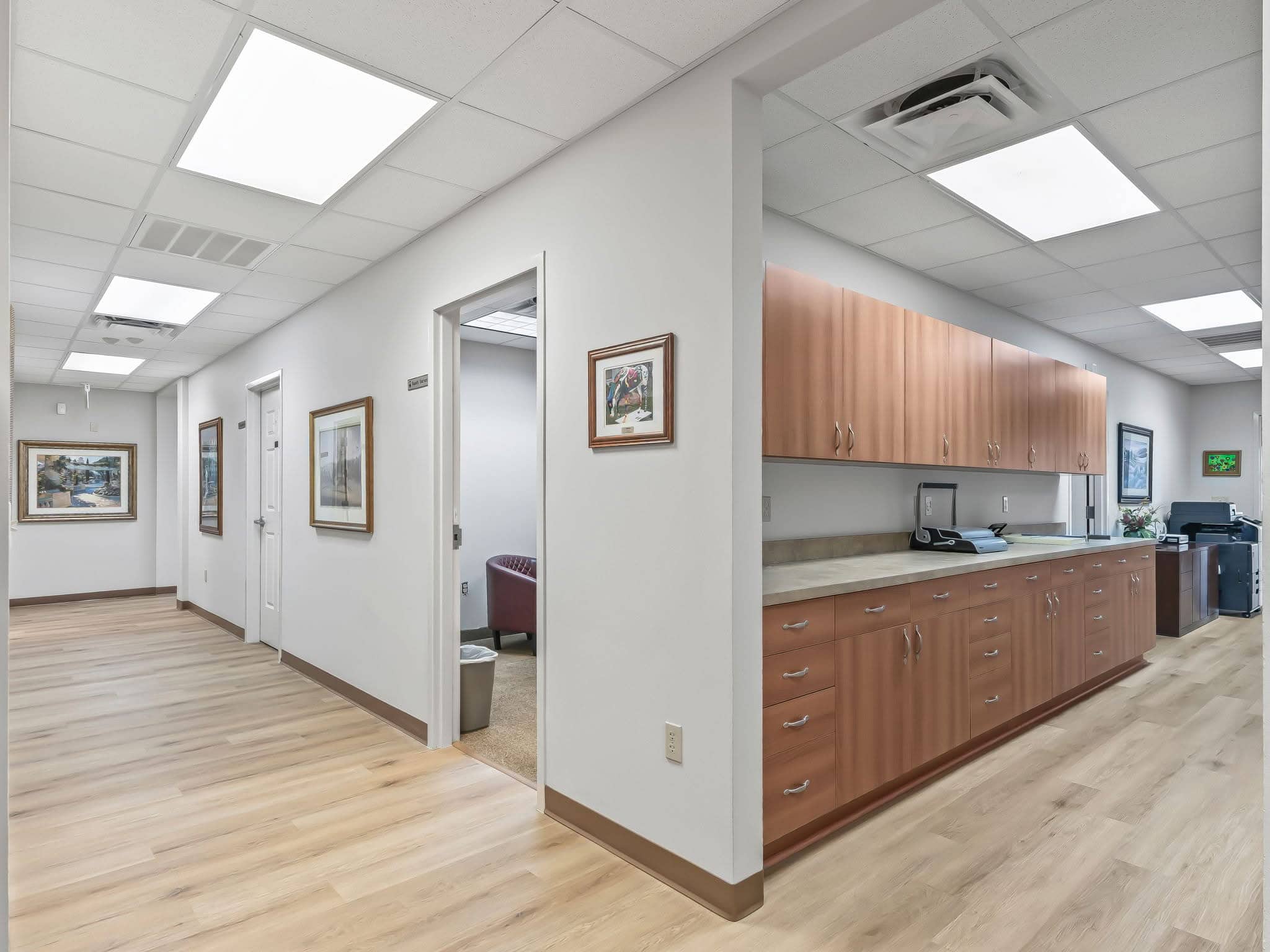
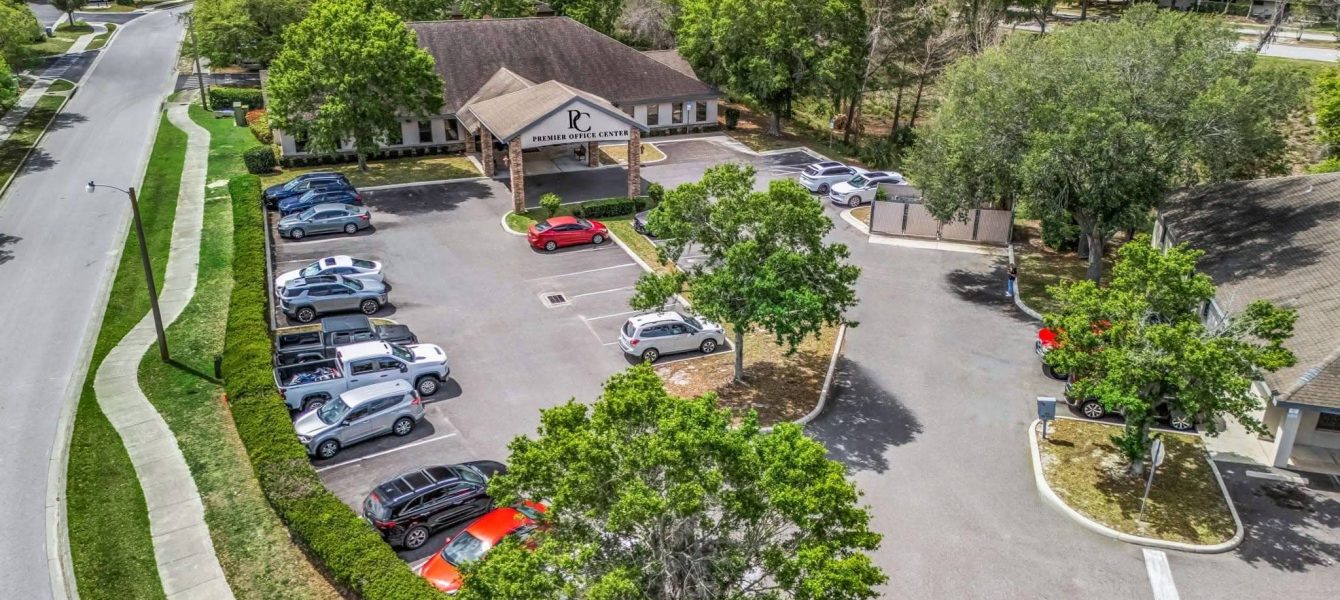
Not every professional needs a full-time office. The dedicated coworking floors at Premier Office Center give you a productive, professional environment on the days you need it, with nothing you do not. Available at all 3 of our North Central Florida locations: Wildwood, Ocala.
The Premier Office Center coworking floor is a dedicated space designed for professionals who need a real place to work. Not a coffee shop with unreliable Wi-Fi. Not a kitchen table that blurs every boundary between work and home. A clean, modern, professional workspace with fast internet, a business address, a receptionist at the front door, and access to meeting rooms when the conversation calls for one.
Come in for a day. Come in for a week. Build a membership around your schedule. The space is ready when you are and it does not ask for anything more than what you need right now.
The coworking space at Premier Office Center is a dedicated, shared professional workspace available at all 3 locations across North Central Florida: Wildwood, Ocala. Available by day pass or monthly membership, every coworking membership includes secure high-speed Wi-Fi, complimentary coffee bar, receptionist greeting, and access to bookable conference rooms. The 41-seat training room is also available at the Wildwood location. A productive professional environment with flexible terms.
Working from home sounds good until the distractions add up. The meetings bleed into meals. The boundaries dissolve. The work that used to flow starts dragging because every environment is working against your focus instead of for it.
Coffee shops are not much better. You are paying for a seat with a table and hoping the Wi-Fi holds. There is no professional address to put on your card, no receptionist to greet your clients, and no conference room for the conversation that needs privacy.
The Premier coworking floor solves both problems. A real workspace with real infrastructure, available on your terms, in a building that looks and feels like a place serious work gets done.
Distractions pull focus constantly
No separation from personal life
No place to meet clients
Home address on business materials
Unreliable internet and noise
No professional address
No private meeting space
No real infrastructure
Dedicated professional workspace
Clean separation: work is work
Conference rooms bookable on-site
Real address, real infrastructure
Every coworking day pass and membership at Premier Office Center includes the same professional infrastructure. No tiers, no stripped-down experience for the flexible member. You get access to a real workspace with everything it takes to be productive from the moment you sit down.
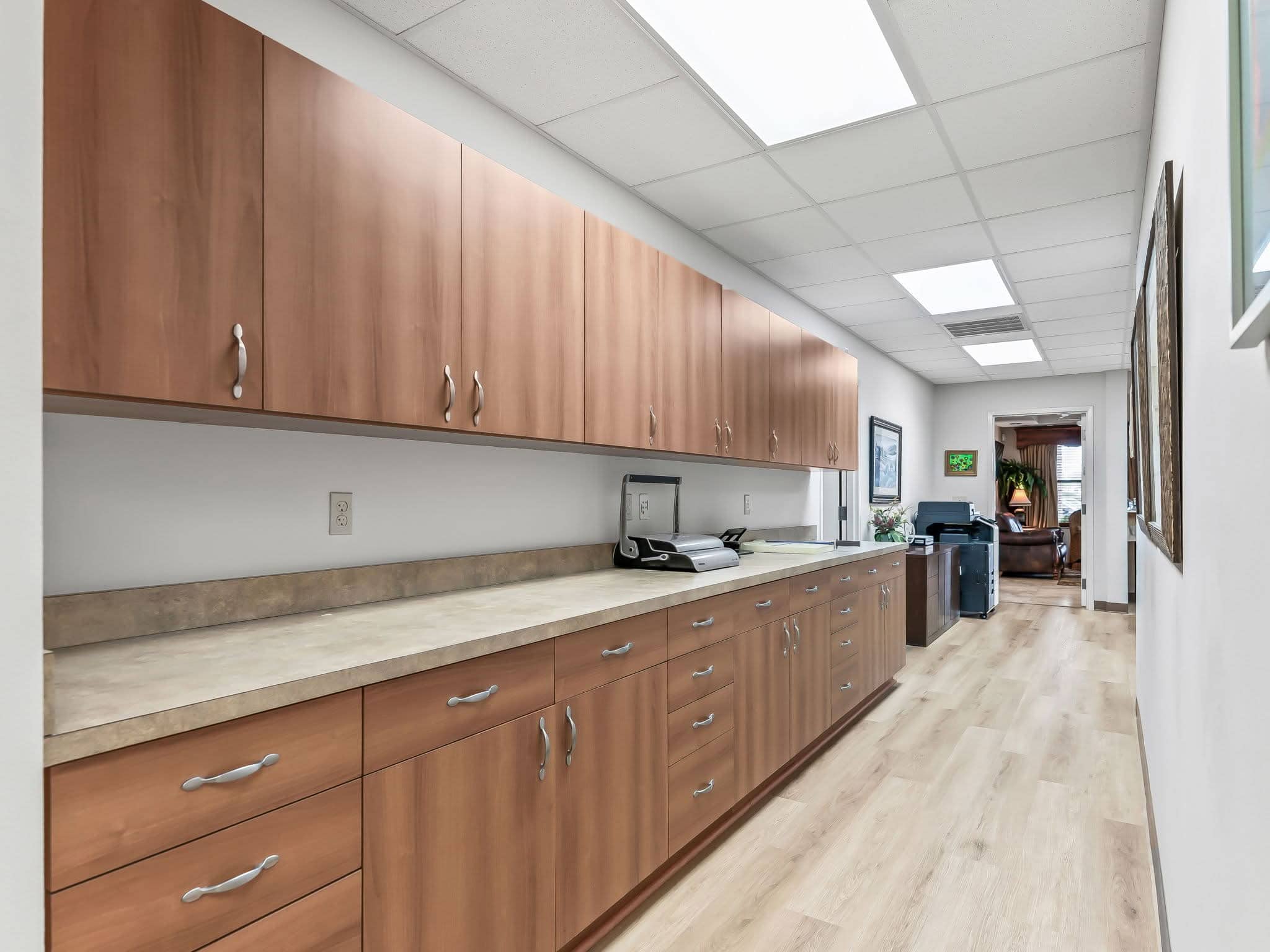
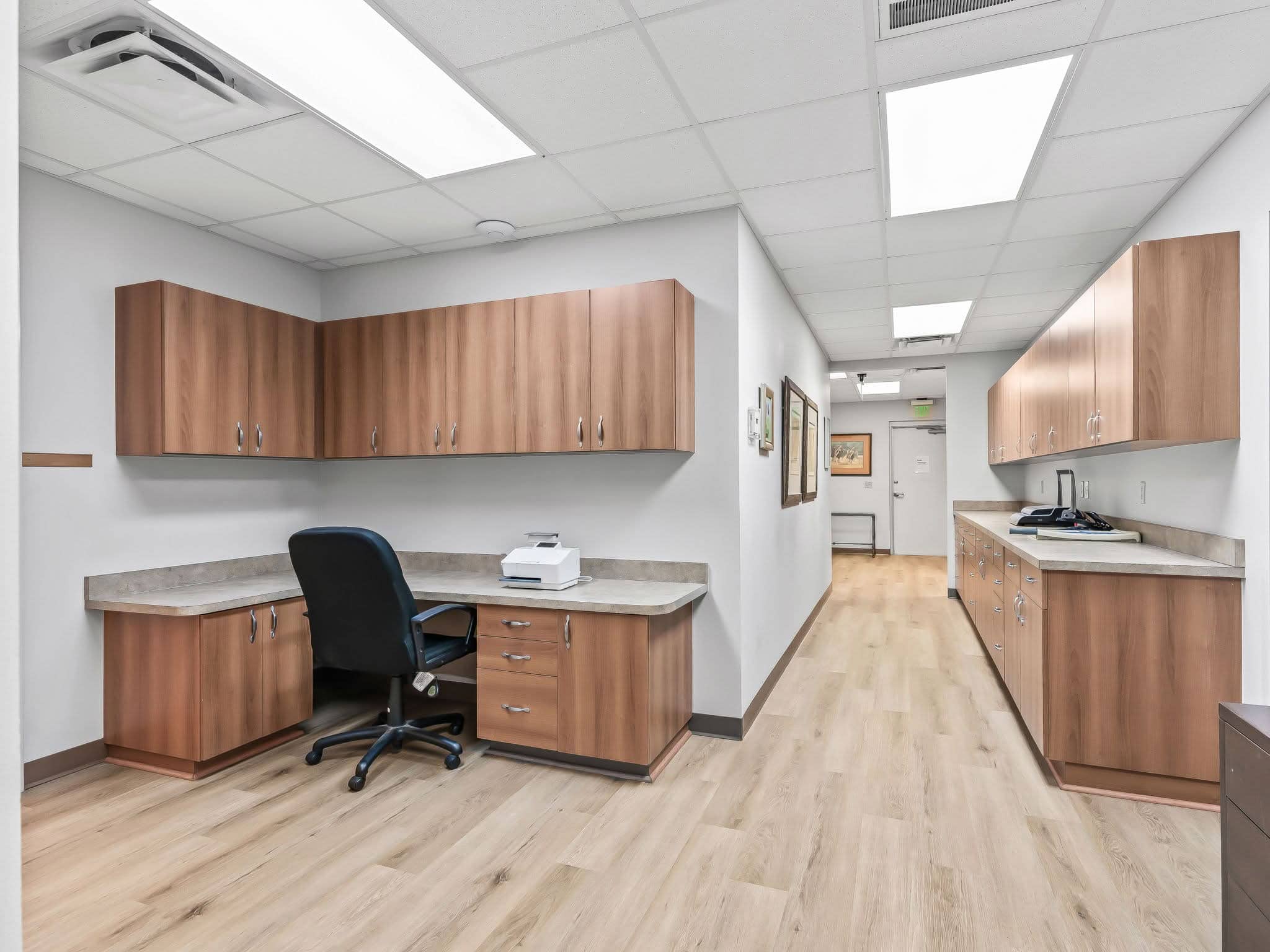
Work in a well-designed, shared space that supports productivity and collaboration. Whether you need a spot for focused work or a place to connect, our coworking area offers a comfortable and professional setting.
Business-grade internet built for professionals. Fast, reliable, and secure so your connection never becomes the reason you lost an hour.
Coffee, tea, and water in the common area throughout the day. Fuel your session without leaving the building.
When a client or colleague meets you here, they are greeted professionally at the front desk. The experience starts before they reach you.
Real support from real people, right here. If anything needs attention, it gets handled quickly.
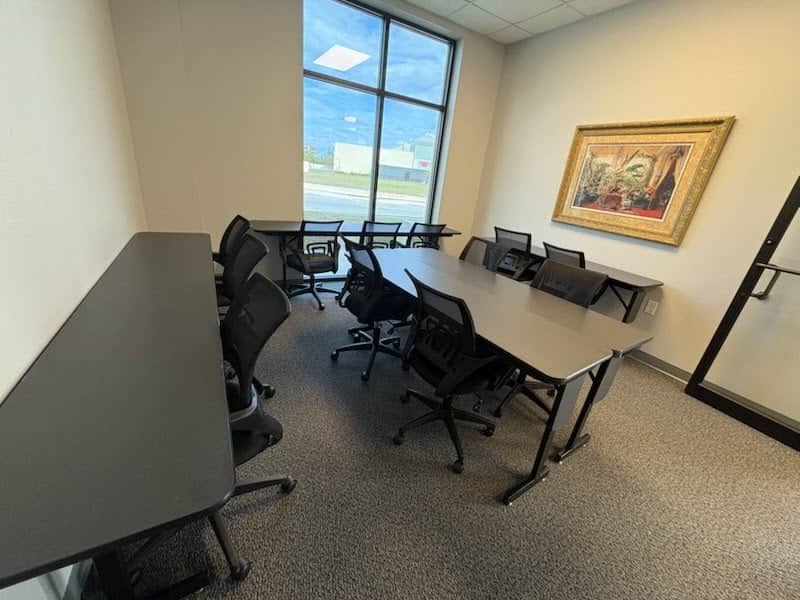
Book any of the four conference rooms (seating 4, 6, 8, or 14) or the 41-seat training room by the hour when you need a private meeting space or room for a larger session.
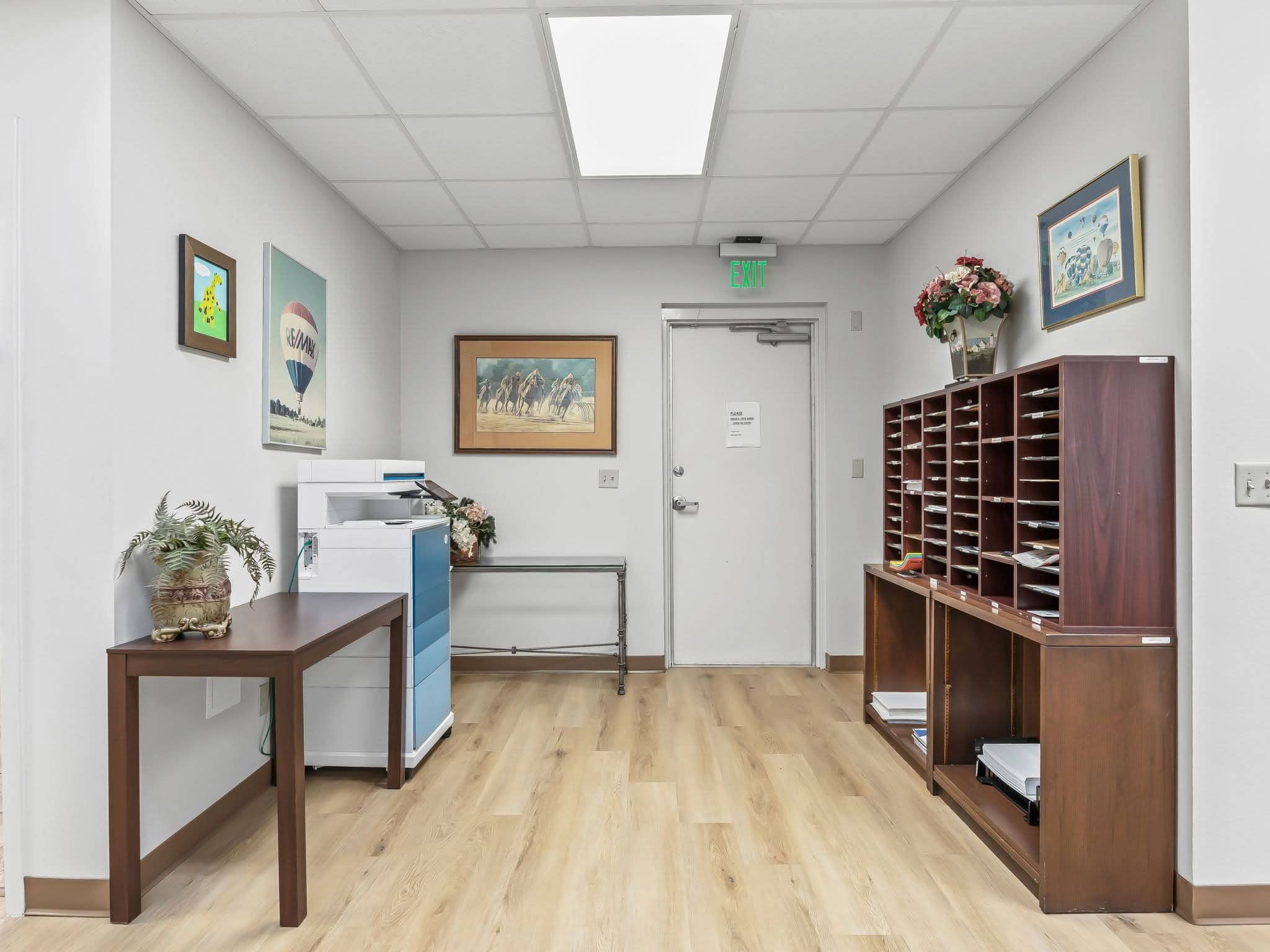
Printing available at a per-page rate for coworking members. Bring your documents or send them digitally to the business center.
Premier Office Center coworking is available on flexible terms designed to match how you actually work. Pricing and membership details are finalized during the tour, because the right option depends on how often you need the space and what works for your schedule.
Come in when you need to. Pay for the day. No commitment, no monthly obligation. Ideal for professionals who need a productive workspace a few times a month or are in the area for a project.
Best for: Occasional use, travel days, project bursts
Come in as often as you need throughout the month. A predictable flat rate for regular access to the coworking floor without any of the overhead of a private office lease.
Best for: Regular use, consistent work routine, local professionals
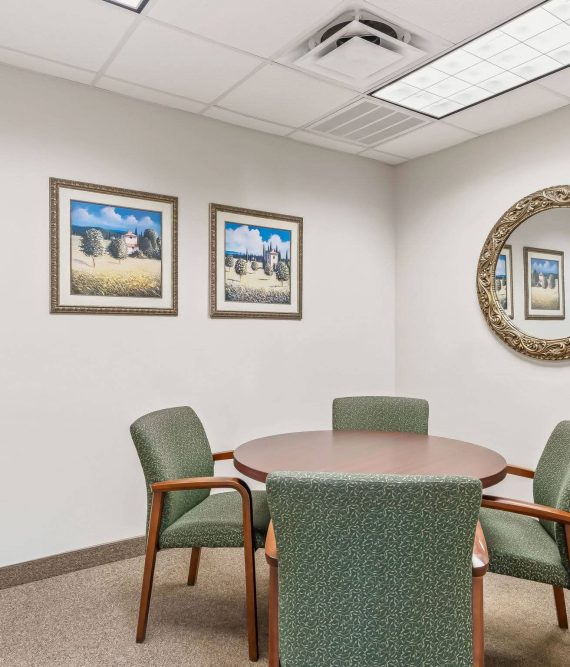
The Premier coworking floor works for any professional who needs a productive, professional environment without the overhead of a full lease. That covers a wider range of people than you might expect:
If your best work happens when the environment around you is professional, the Premier coworking floor was built for that.
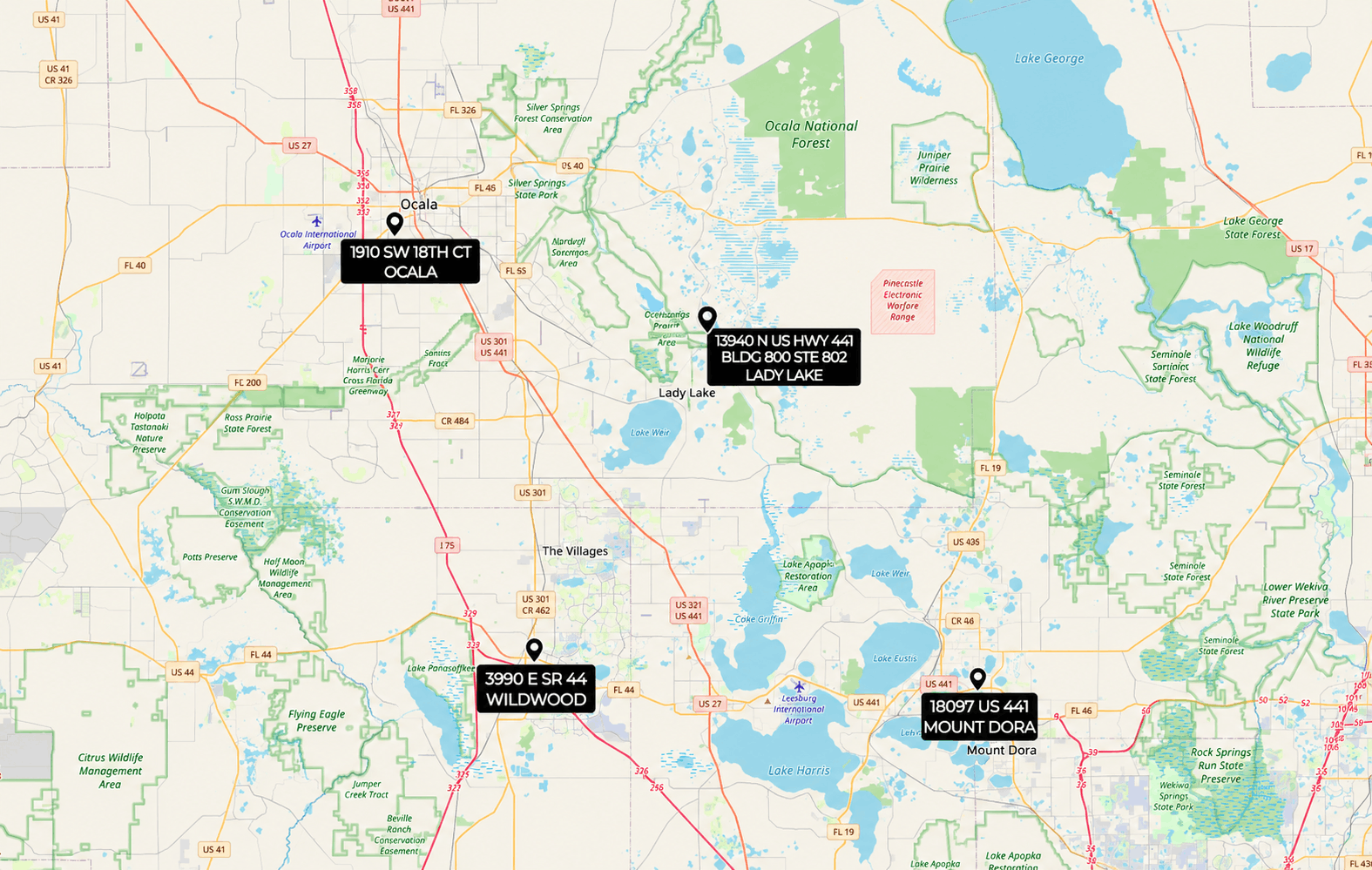
Premier Office Center offers flexible coworking spaces across North Central Florida, giving you the freedom to work where it’s most convenient.
Our Wildwood coworking space, located near Brownwood, is perfect for professionals near The Villages looking for a collaborative environment.
Our Ocala coworking space, located near SR 200, provides easy access for freelancers and growing teams throughout Marion County.
Whether you need a productive place for the day or a consistent workspace, our coworking locations are designed to support your workflow and networking opportunities.
The best way to know if the Premier coworking floor works for you is to work from it for a day. Tour the space, see the coworking floor, ask about day pass and membership options, and walk out with a complimentary day pass to use whenever you are ready.
No commitment required. No long-term decision to make. Just a chance to experience a professional workspace that is built for the way you actually work.
Every coworking day pass includes access to the dedicated coworking floor, secure high-speed Wi-Fi, complimentary coffee bar, receptionist greeting and on-site management. Conference rooms and printing are available to book separately at an additional rate.
The Premier coworking floor is a dedicated, separate workspace on its own floor in the building. It is not a corner of a lobby or a hallway seat. It is a purpose-built coworking environment designed for professional, focused work.
Yes. Coworking day pass holders and monthly members can book the on-site conference rooms and training room by the hour as a paid add-on. The smaller conference rooms seat 4-6, the larger conference rooms seat 8-14, and the training room seats 41+ and includes full AV equipment.
Yes. Coworking access is available by day pass or monthly membership. Day passes are ideal for occasional or project-based use. Monthly memberships provide regular access at a flat rate. Contact us or visit during a tour to get current pricing and availability.
Coworking members have access to the coworking floor during the local business hours of their chosen location: Wildwood Monday through Friday 8am to 5pm, Ocala Monday through Friday 8:30am to 5:30pm, Mount Dora Monday through Friday 8:30am to 5pm. Receptionist services are available during these business hours. Private office members and executive suite members have secure 24/7 access regardless of location.
Yes. The coworking floor reflects the same modern, professional standard as the rest of the building: fresh finishes, clean design, and a well-maintained environment that makes the right impression on anyone who works or meets there.